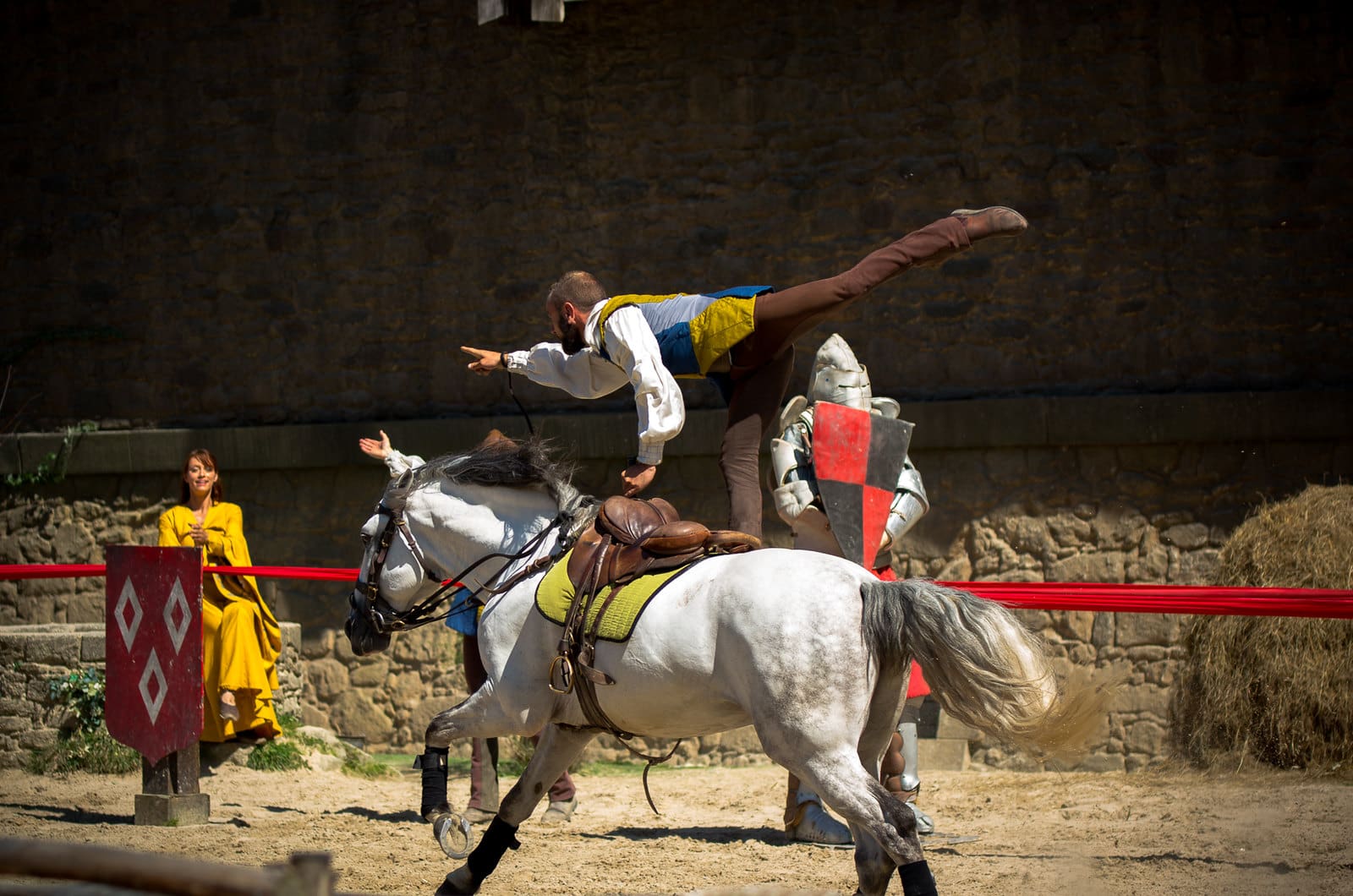
Equestrian vaulting is an artistic and sporting discipline involving acrobatic and gymnastic movements on a moving horse. This activity requires perfect coordination and synchronisation between the horse and the vaulter. Given the close nature of this relationship, it is relevant to ask whether the vaulter’s sports injuries correspond to the aetiological injuries of their horse.
1. Reciprocal effects of imbalances
Muscular imbalances and tension in the rider can affect the horse and vice versa:
-
Vaulting rider: A vaulting rider with muscle tension or spinal or joint dysfunction may exert uneven pressure on the horse’s back, disrupting its balance and symmetry. For example, muscle tension in the rider’s back or legs can lead to uneven weight distribution, affecting the horse.
-
Horse: Similarly, a horse with muscle tension or etiopathic imbalances can make movements more difficult and unpredictable for the vaultor, increasing the risk of injury. For example, tension in the horse’s back or limbs can affect its stride and stability, making vaulting exercises more risky.
2. Nature of the injuries
Lesions may be musculoskeletal in nature in the rider and aetiopathic in the horse:
-
Outfielder: Outfielders are susceptible to muscle strains, tendonitis, joint pain, and injuries related to repetitive movements or falls. Commonly affected areas include the back, shoulders, knees, and ankles.
-
Horse: Vaulting horses can develop spinal tension and dysfunction, muscle pain, and joint problems due to repeated stress and the adjustments necessary to maintain balance under the vaulter. Areas often affected include the back, neck, shoulders, and hocks in specific ways, but generally all limb joints.
3. Influence of training and technique
Technique and training play a crucial role in preventing injuries for both partners:
-
Appropriate training: Well-balanced and appropriate training can minimise the risk of injury. Exercises aimed at strengthening the rider’s muscles and improving flexibility can help reduce tension and potential injury mechanisms on the horse.
-
Correct technique: Using correct vaulting techniques, including smooth and controlled ascents and descents, can reduce the impact on the horse and decrease the risk of imbalance and injury.
4. Importance of animal etiopathy treatments
Etiopathy treatments can be beneficial for both the rider and the horse:
-
Outfielder: Human etiopathy can help treat muscle tension, spinal dysfunction, and joint pain in outfielders, thereby improving their performance and reducing the risk of injury.
-
Horses: Animal etiopathy treatments for horses can address spinal dysfunctions, release muscle tension and improve joint and limb mobility, thereby contributing to smoother, more balanced movement and reducing stress on the rider.
Conclusion
There is a correlation between the sports injuries sustained by the rider and the etiopathic injuries sustained by their horse due to the symbiotic relationship and interdependence of their movements. Imbalances and tensions in one can affect the other, and vice versa. Paying particular attention to training, technical movements and the use of etiopathy for both partners is essential to prevent injuries and maintain their performance and well-being.