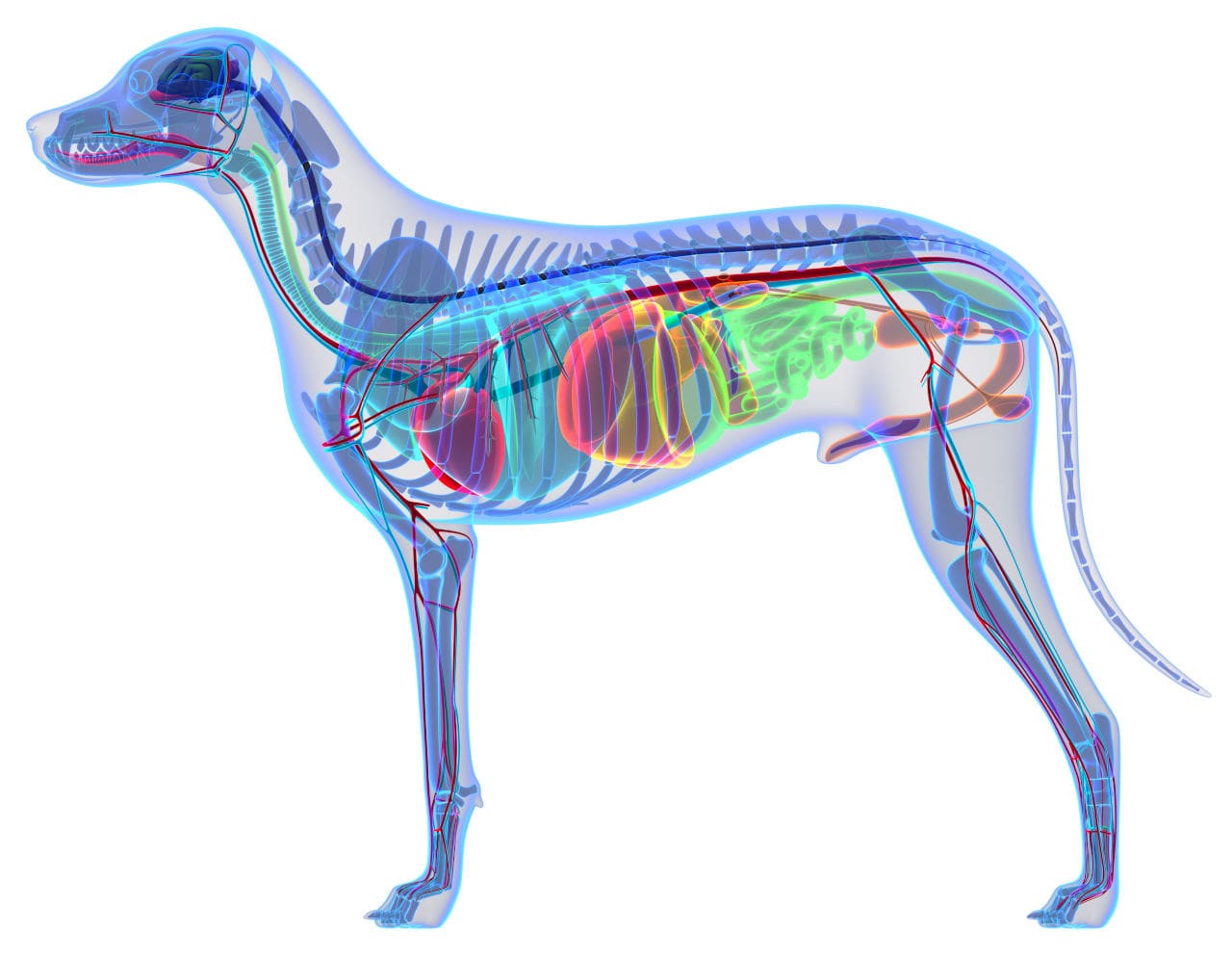
In the world of manual disciplines, animal etiopathy stands out for its rigorous methodology, its search for the mechanical causes of functional disorders, and above all, through his approach biomechanics extremely precise. Far from being a simple empirical or intuitive discipline, etiopathy is based on solid scientific knowledge, foremost among which is biomechanics applied to the animal body.
Biomechanics: The Scientific Cornerstone of Animal Etiopathy
Biomechanics is the science that analyses how the body’s structures function under the effect of forces, movements and stresses. In animal etiopathy, it plays a central role in the analysis of pathologies of functional origin, in particular:
- Locomotor disorders (lameness, compensations, stiffness)
- Chronic pain of mechanical origin
The animal etiopath, through a detailed understanding of joint kinematics, of spinal statics and musculoskeletal interactions, is able to reconstruct the path of injury that led to the injury. a14> pathway of injury that has led to a disorder. It is this causal interpretation of the body, based on the biomechanical sequence of dysfunctions, which makes the approach so relevant.
A knowledge of biomechanics in the service of the causal discipline
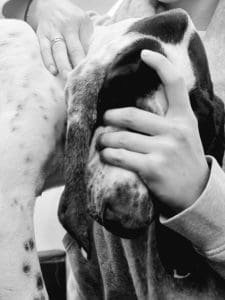 One of the great contributions of etiopathy is its ability to look beyond the symptom and trace the logical thread back to the root cause of the disorder. For example:
Lameness in a dog’s hind leg may not be caused by trauma to the limb, but rather by a loss of lumbar mobility related to a previous fall.
In each case, effective treatment depends on accurately identifying the disrupted biomechanical link, followed by targeted, gentle manual intervention aimed at restoring lost mobility.
Efficiency and reliability: What biomechanics brings to practice
What distinguishes animal etiopathy from more empirical manual approaches is:
- Its mechanical logic: every therapeutic action is justified by biomechanical and anatomical reasoning.
- Its precision: no movement is performed at random; each technical movement aims at a objective of correction that is clearly defined.
- Its gentleness: by respecting the natural axes of movement, the practitioner never forces, but guides the body towards its functional balance.
This precision often yields rapid and lasting results, even in chronic cases or those considered untreatable. This also explains the growing interest in this discipline among breeders and owners.
A discipline that requires a high level of knowledge
The effectiveness of animal etiopathy ultimately depends on the practitioner’s training requirements: they must have a thorough understanding of comparative anatomy, physiology and pathology, as well as the biomechanical logic specific to each species (horses, dogs). The rigour scientific of the discipline, inherited from human etiopathy, requires a systemic and mechanical interpretation of the animal body.
The European Institute of Animal Etiopathy is here to offer you this rigour.
Conclusion: the study of movement in the service of life
By placing biomechanics at the heart of its practice, animal etiopathy restores the body’s natural ability to self-regulate. It does not merely provide temporary relief; it corrects what is blocking, constraining, or disrupting.
And it is precisely this scientific rigour, this subtle understanding of living organisms, that makes it a manual discipline that is powerful, respectful and effective.