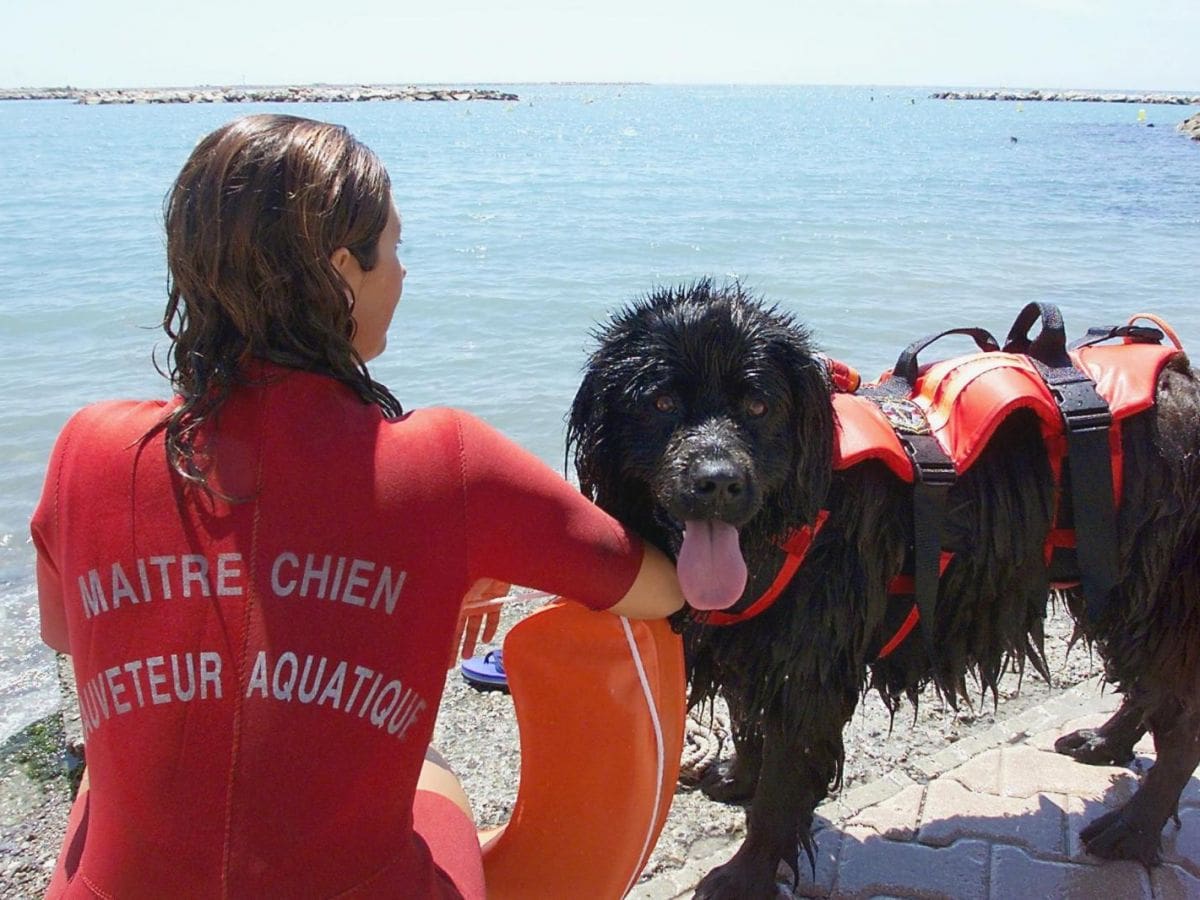
Sea rescue dogs, such as Newfoundlands, play a crucial role in water rescue operations. Thanks to their strength, endurance and protective instincts, they are capable of saving human lives in sometimes extreme conditions. However, this noble physical commitment is not without consequences for their health. Due to the high demands placed on them, these dogs can suffer from various musculoskeletal and functional injuries. It is in this context that animal etiopathy offers a natural and promising therapeutic approach.
Canine athletes exposed to multiple injuries
- Joint problems
Newfoundlands are predisposed to hip and elbow dysplasia, partly because of their morphology. Repeated jumping, pulling in water and climbing onto boats put intense strain on these joints, aggravating existing conditions or promoting their development.
- Tendinitis and muscle injuries
Working at sea, especially in cold water and under stress, can cause microtrauma to muscles. Tendinitis, particularly in the shoulders and hocks, is common in these dogs, whose movements are powerful and repetitive.
- Spinal pain
Twisting the trunk during rescue manoeuvres, or imbalances caused by waves, can lead to vertebral blockages (particularly in the dorsal and lumbar regions), muscular tension in the back, or peripheral neurological disorders.
Animal etiopathy: a gentle and targeted response
Animal etiopathy is a manual discipline that aims to identify and resolve the mechanical causes of functional disorders in animals. Without medication or surgery, it relies on gentle, precise techniques tailored to each animal.
What are the benefits for rescue dogs?
Joint and vertebral rebalancing: The animal etiopath can release joint or vertebral blockages that cause pain, improving mobility and reducing the risk of postural compensation.
Injury prevention: Regular monitoring allows imbalances to be corrected before they become pathological, thereby prolonging the dog’s active career.
Improved recovery: After intense effort or a mission, etiopathic treatments promote faster recovery and limit the onset of secondary pain.
Complementary support to veterinary care
It is important to remember that etiopathy is not a substitute for veterinary care, especially in cases of serious illness or injury requiring medical treatment. However, it is an excellent complementary therapy, particularly for prevention or support.
Conclusion
Rescue dogs such as Newfoundlands are unsung heroes who sometimes pay a heavy price for their dedication. Caring for them requires constant vigilance and appropriate care. Animal etiopathy, with its holistic and non-invasive approach, is a valuable solution for preserving their health, well-being and effectiveness in the field.