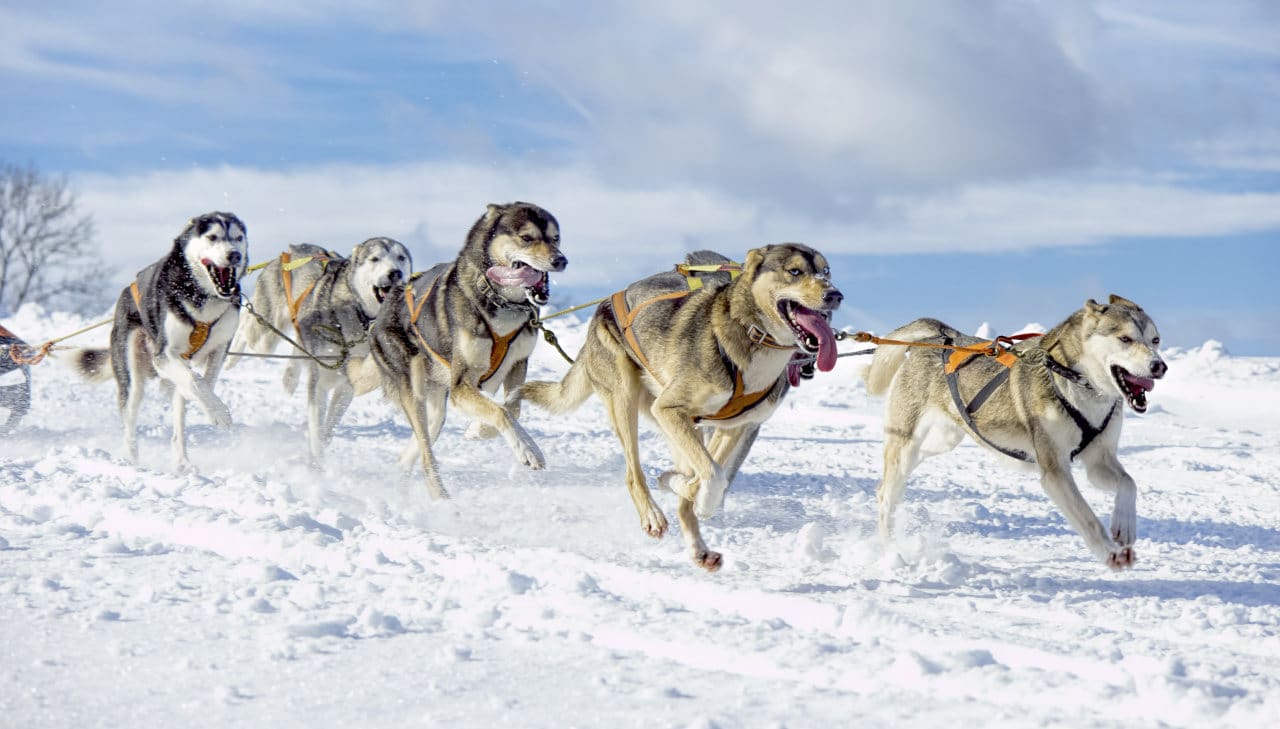
Sled dogs, especially those that compete in races, are subjected to extreme physical conditions and intense exertion. Regular etiopathic treatment for these canine athletes can offer numerous benefits for their health, well-being and performance. Here are the main advantages of this type of treatment:
Injury prevention
Animal etiopathy helps identify, limit and eliminate musculoskeletal imbalances before they become serious injuries. By maintaining proper alignment of the spine and joints, etiopathy can prevent excessive muscle tension and imbalances that could lead to injury.
Amélioration de la performance
Sled dogs require optimal mobility and perfect coordination to perform at their best. Etiopathy helps improve flexibility, muscle strength and coordination, allowing dogs to run more efficiently and smoothly. A well-aligned and balanced dog is less likely to suffer from premature fatigue and can maintain high speed over long distances.
Pain management
Sled dogs can suffer from chronic or acute pain due to repeated microtrauma, muscle tension and constant impact. Etiopathic techniques can relieve this pain by releasing muscle tension, improving blood circulation and promoting the release of endorphins, the body’s natural pain-relieving hormones.
Improved recovery
After races or intensive training, sled dogs need to recover quickly in order to be ready for the next events. Animal etiopathy helps speed up recovery by improving blood and lymphatic circulation, thereby reducing inflammation and eliminating toxins and metabolic waste more efficiently.
Stress management and general wellbeing
Competitions and training can be stressful for sled dogs. The use of animal etiopathy promotes relaxation and well-being by reducing physical tension and improving the balance of the nervous system. A less stressed dog is more focused and performs better.
Early detection of health issues
Thanks to their expertise and tactile sensitivity, animal etiopaths can detect early signs of health problems that may not be apparent during routine veterinary examinations. This early detection allows for rapid and appropriate intervention, thus avoiding potential complications.
Personalisation of care
Each sled dog is unique, with its own strengths, weaknesses and specific needs. Animal etiopathy allows for a personalised approach to care, adapting technical procedures and treatment to the individual needs of each dog. This personalisation maximises the benefits of treatment and ensures that each dog receives the most appropriate etiopathic care.
Conclusion
Regular etiopathic treatment offers numerous benefits for sled dogs competing in races. It helps prevent injuries, improve performance, manage pain, speed up recovery, reduce stress and detect health problems early on. By incorporating animal etiopathy into the care programme for these canine athletes, owners and trainers can ensure better health, optimal well-being, and maximum performance for their sled dogs.