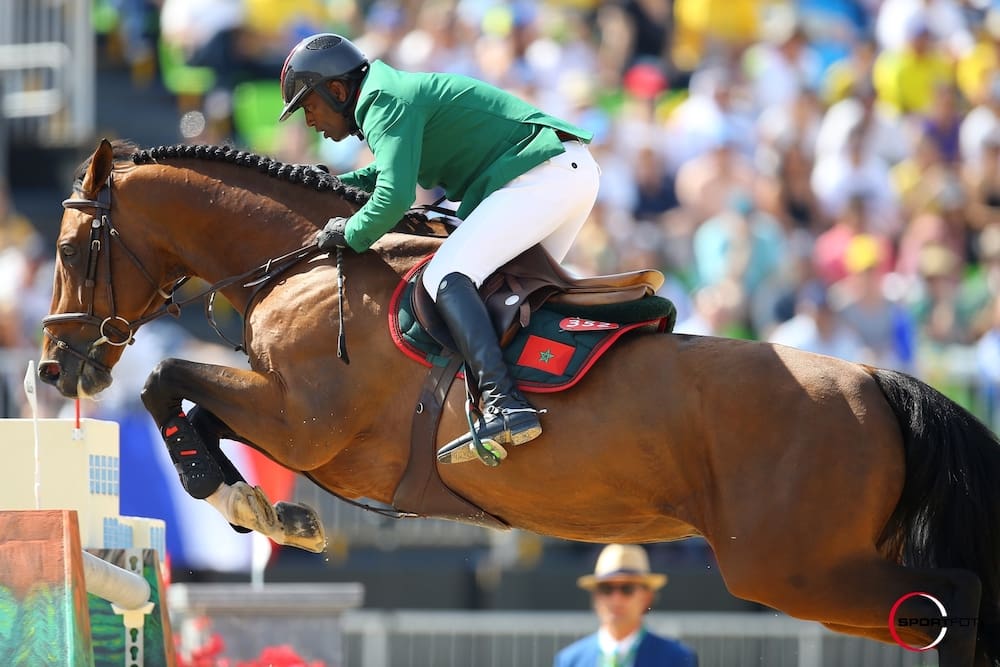
Horse riding in Morocco is deeply rooted in the country’s culture and traditions. Horses occupy a powerful symbolic place, particularly through the famous fantasia, a traditional equestrian display performed during festivals and celebrations. The Barb and Arab-Barb horses, emblematic breeds of the Maghreb, are at the heart of this equestrian identity. Morocco also has modern infrastructure, with equestrian clubs in Casablanca, Rabat, Marrakesh and other major cities, all of which are partners of our Institute of Etiopathy.
The Royal Equestrian Sports Complex of Dar Essalam in Rabat hosts international show jumping competitions. The Royal Moroccan Equestrian Sports Federation oversees the official disciplines and develops the sector. Horse riding is practised both as a leisure activity and as a high-level sport. The country is also focusing on equestrian education for young people and promoting horse riding tourism. Between tradition and modernity, horse riding in Morocco combines living heritage and sporting dynamism.
Our students are also invited every year to attend a week-long seminar at the Royal Stud Farm of Sidi Berni, an iconic location for Moroccan sport horse breeding.
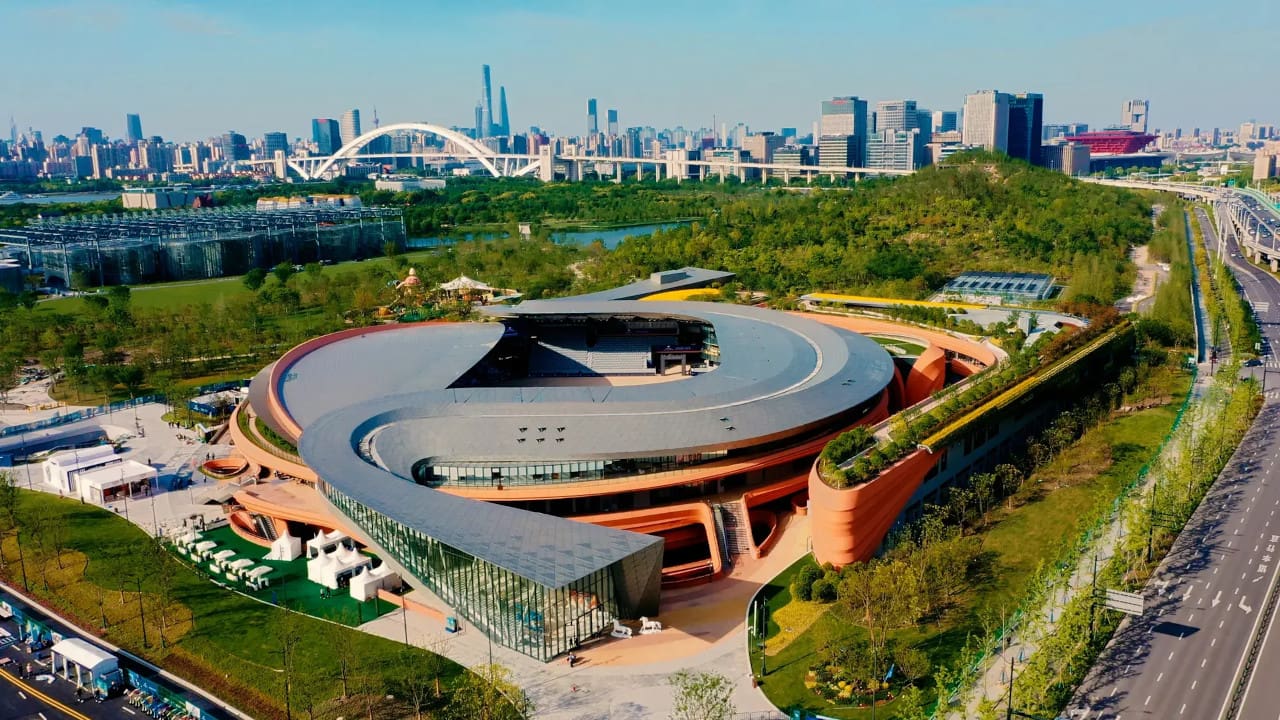
Horse riding in China has experienced remarkable growth over the past twenty years. Long marginalised, it is now booming, driven by a middle class in search of noble and educational leisure activities. Modern equestrian clubs have sprung up in major cities such as Beijing, Shanghai and Chengdu, often in partnership with European organisations. Our students travel to these cities to practise Etiopathy in the many high-quality facilities available there.
Show jumping, dressage and eventing are becoming increasingly popular. China now trains its own riders and organises national and international competitions, such as the Longines China Tour. Some provinces also continue an ancient equestrian tradition, particularly among the nomadic peoples of the north (Inner Mongolia). The horse remains a powerful symbol in Chinese culture, associated with strength, loyalty and freedom. Horse riding is also promoted for children as an educational and sporting activity. This rapid development heralds a promising future for Chinese equestrian sport.
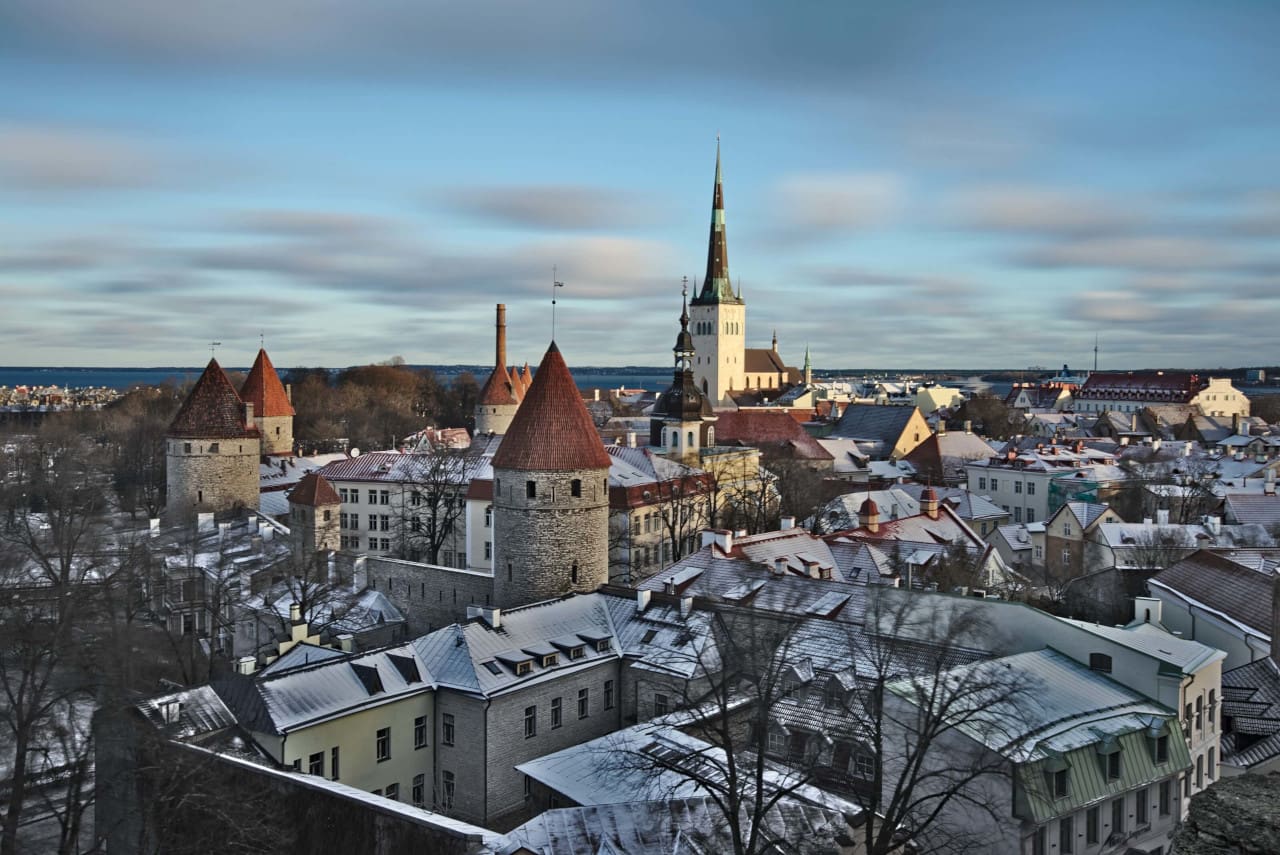
Horse riding in Estonia combines rural traditions and international performances.
The Equestrian Federation of Estonia, founded in 1922 and re-established in 1990, structures and supports the national equestrian sport.
Events such as the Tallinn International Horse Show, created in 2002, attract riders and spectators in a festive and professional atmosphere.
The native Estonian horse, a local breed, is renowned for its calmness, energy and fluid gait.
In terms of sport, Estonia is represented in dressage by rider Dina Ellermann, the first Estonian to compete in the 2020 Tokyo Olympic Games. Other talents such as Grete Püvi, Gunnar Klettenberg, or Heiti Hääl animate the local equestrian scene, both in competition and in organisation.
Numerous equestrian centres welcome our students in a natural setting that is still unspoilt with high-quality facilities.